Showing posts with label Breaking News. Show all posts

Friday, January 2, 2026

Monday, October 28, 2024

Kidde Fire Detection and Clean Agent Fire Suppression Systems

Kidde Fire Systems offers a unique approach to fire protection that suits every special hazard application. We offer an integrated total system solution that starts with early fire detection and ends with quick fire suppression. Our detection systems are connected to our suppression control panels and are on-guard 24 hours a day.
  • Air Sampling Smoke Detection
  • CO2 Systems & Dry Chemical System
  • Clean Agent Fire Suppression Systems
  • Kitchen Fire Suppression System 
  • Natura™ Inert Suppression Systems
  • Heat Detection, Smoke Detection
  • Portable Fire Extinguishers
  • IntelliSite™ and Marine Systems 
  • Detection and Control - Conventional & Intelligent


If you have any questions or concerns. Please feel free to contact us any time through this website or through this E-mail: Sales@TTLCompany.com | Web:http://TTLCompany.com

Friday, October 25, 2024

What is Kidde Fluoro-K? Is Fluoro-K the same as Novec?

What is Kidde Fluoro-K?
EXTINGUISHING AGENT
Fluoro-K™ Fire Suppression Clean Agent (herein referred to as “agent”) is a fluorinated ketone (Dodecafluoro-2-methylpentan- 3-one) compound of carbon, fluorine and oxygen (CF3CF2C(O)CF(CF3)2). It is colorless, electrically non-conduc- tive and has a low odor. 

Kidde Fire Systems Fluoro-K™ based clean agent fire suppression systems are safe, competitive, and costeffective fire suppression solutions for protecting assets in commercial, light, and heavy industrial applications.
The Fluoro-K agent itself is colorless, with low odor and no particulate or oily residue allowing for minimal business disruption after a discharge. From an environmental standpoint, Fluoro-K has zero ozone depletion potential, and an atmospheric lifetime of less than five days. 

Is Fluoro K the same as Novec?
Fluoro-K is a FK-5-1-12 chemical clean agent alternative to Novec 1230 (which will eventually be phased out), and which addresses the same purity and toxicity concerns associated with Halon. In most cases, a system originally designed for Novec requires no hardware changes if converted to using Fluoro-K.

What is the difference between Novec 1230 and fk-5-1-12?
What's the difference between Novec 1230 and FK-5-1-12? Simply put, Novec 1230 is a trade name or chemical name for the product manufactured by 3M. When the chemical is manufactured elsewhere, it meets the same specification and is governed by the same rules and regs. FK-5-1-12's chemical composition does not change.

✔ Product Documentation Links: [Datasheet - Tech Specs] [ECS-500 Fluoro-K]

If you have any questions or concerns. Please feel free to contact us any time through this web site or through this E-mail: Sales@TTLCompany.com | Web: http://TTLCompany.com

Tuesday, October 22, 2024

Tại sao Dung Dịch Foam Chữa Cháy AFFF bị cấm? PFAS là gì?

Tại sao Dung Dịch Foam Chữa Cháy AFFF bị cấm?
Để đối phó với những lo ngại ngày càng tăng về các rủi ro về Sức Khỏe và Môi Trường do Dung Dịch Foam Chữa Cháy AFFF gây ra, một số tiểu bang đã có hành động lập pháp nhằm hạn chế hoặc cấm sử dụng chất này. Các biện pháp này phản ánh cam kết bảo vệ sức khỏe cộng đồng và môi trường khỏi những tác động có hại của các hợp chất PFAS (dung môi các chất có gốc perpolyfluoroalkyl).
Khi Dung Dịch Foam Chữa Cháy AFFF được sử dụng, thải ra hoặc thải ra môi trường, có thể cần phải hạn chế ngăn chặn và dọn dẹp để ngăn ngừa các tác động xấu đến sức khỏe hoặc môi trường trong tương lai.

Dung Dịch Foam Chữa Cháy AFFF & những khiếu nại liên quan đến Lính Cứu Hỏa? 
Bọt Foam Chữa Cháy, thường được gọi là AFFF, là một loại bọt chữa cháy được sử dụng để chữa cháy chất lỏng dễ cháy có nguy cơ cao (Class B). Mặc dù AFFF rất hiệu quả trong việc dập tắt các đám cháy Class B và cứu sống con người, nhưng gần đây người ta xác định rằng nó có độc tính cao vì nó chứa các dung môi các chất có gốc perpolyfluoroalkyl (PFAS). Ngày càng có nhiều bằng chứng khoa học và y tế ủng hộ nhóm nghiên cứu y khoa cho thấy việc tiếp xúc với PFOA và PFOS - PFAS được nghiên cứu kỹ lưỡng nhất cho đến nay khi tiếp xúc với Dung Dich Foam Chữa Cháy AFFF sẽ có liên quan đến ung thư thận, ung thư tuyến tụy, ung thư tinh hoàn, ung thư bàng quang, ung thư gan và ung thư tuyến tiền liệt. Nếu bạn nghi ngờ rằng bệnh ung thư của mình hoặc một tình trạng bệnh lý nghiêm trọng khác là do tiếp xúc với Dung Dich Foam Chữa Cháy AFFF, hãy liên hệ với các luật sư chuyên gia, những người sẽ giúp bạn lấy lại khoản bồi thường tài chính mà bạn xứng đáng được hưởng.

Ba loại PFAS là gì?
Các loại PFAS được nghiên cứu phổ biến nhất là dung môi các chất có chứ gốc axit perfluorooctanoic (PFOA) và axit perfluorooctane sulfonic (PFOS). Các loại được nghiên cứu phổ biến tiếp theo là axit perfluorohexane sulfonic (PFHxS) và axit perfluorononanoic (PFNA). Chúng được gọi là "Hóa Chất Vĩnh Cửu" vì chúng không phân hủy trong môi trường và có thể tích tụ trong các sinh vật sống.

PFAS là gì?
PFAS là hóa chất nhân tạo đã được sử dụng trong công nghiệp và các sản phẩm tiêu dùng trên toàn thế giới từ những năm 1940. Chúng đã được sử dụng để sản xuất đồ nấu nướng chống dính, quần áo chống thấm nước, vải và thảm chống bẩn, một số loại mỹ phẩm, một số loại bọt chữa cháy và các sản phẩm chống dầu mỡ, nước và dầu.
Các PFAS được nghiên cứu phổ biến nhất là axit perfluorooctanoic (PFOA) và axit perfluorooctane sulfonic (PFOS). Các PFAS được nghiên cứu phổ biến tiếp theo là axit perfluorohexane sulfonic (PFHxS) và axit perfluorononanoic (PFNA). PFOA và PFOS đã bị loại khỏi sản xuất và sử dụng tại Hoa Kỳ, nhưng các quốc gia khác vẫn có thể sản xuất và sử dụng chúng.
Trong quá trình sản xuất và sử dụng, PFAS có thể thẩm thấu vào đất, nước và không khí. Hầu hết PFAS (bao gồm PFOA và PFOS) không bị phân hủy, vì vậy chúng vẫn tồn tại trong môi trường. Do được sử dụng rộng rãi và tồn tại dai dẳng trong môi trường, PFAS được tìm thấy trong máu của con người và động vật trên khắp thế giới và có mặt ở mức thấp trong nhiều loại thực phẩm và môi trường. Một số PFAS có thể tích tụ trong cơ thể con người và động vật khi tiếp xúc nhiều lần theo thời gian.
Nhiều bài báo khoa học đã được công bố về việc tiếp xúc với PFAS và tác động đến sức khỏe. Mặc dù khó có thể chứng minh rằng các chất này trực tiếp gây ra các tình trạng sức khỏe ở con người, nhưng các nghiên cứu khoa học đã chỉ ra rằng việc tiếp xúc với một số PFAS trong môi trường có thể liên quan đến các tác động có hại đến sức khỏe ở người và động vật. Cần có nhiều nghiên cứu hơn nữa để hiểu rõ hơn về tác động của việc tiếp xúc với PFAS đối với sức khỏe.
Các loại PFAS mới đang được phát triển. Một số trong số chúng có thể có các đặc tính tương tự như PFAS hiện có và một số phân hủy rất chậm trong môi trường. Có rất ít nghiên cứu khoa học về PFAS mới, vì vậy cần có nhiều nghiên cứu hơn nữa để khám phá xem chúng có phải là mối quan tâm về sức khỏe hay không.

If you have any questions or concerns. Please feel free to contact us any time through this website or through this E-mail: Sales@TTLCompany.com | Web:http://TTLCompany.com

Monday, October 21, 2024

Why is AFFF foam concentrate Banned?

Why is AFFF banned?
In response to the growing concerns over the environmental and health risks posed by AFFF, several states have taken legislative action to restrict or ban its use. These measures reflect a commitment to protecting public health and the environment from the harmful effects of PFAS (Per- and polyfluoroalkyl substances) compounds.
When AFFF is used, discharged or released to the environment, containment and cleanup may be required to prevent future adverse health or environmental impacts.
AFFF firefighter claims?
Aqueous film-forming foam, commonly known as AFFF, is a type of fire-suppressant foam used for fighting high-hazard flammable liquid fires (Class B). Although AFFF is very effective in extinguishing Class B fires and saving human lives, it has recently been determined to be highly toxic as it contains per- and polyfluoroalkyl substances (PFAS). Increasing scientific and medical evidence back up our medical research team that shows that exposure to PFOA and PFOS - the most well-studied PFAS to date - through AFFF is related to kidney cancer, pancreatic cancer, testicular cancer, bladder cancer, liver cancer, and prostate cancer. If you suspect that your cancer, or another serious medical condition, was caused by exposure to AFFF, get in touch with our expert attorneys who will help you recover the financial compensation you deserve.

What are PFAS?
PFAS are man-made chemicals that have been used in industry and consumer products worldwide since the 1940s. They have been used to make nonstick cookware, water-repellent clothing, stain resistant fabrics and carpets, some cosmetics, some firefighting foams, and products that resist grease, water, and oil. 
The most commonly studied PFAS are perfluorooctanoic acid (PFOA) and perfluorooctane sulfonic acid (PFOS). The next most commonly studied are perfluorohexane sulfonic acid (PFHxS), and perfluorononanoic acid (PFNA). PFOA and PFOS have been phased out of production and use in the United States, but other countries may still manufacture and use them.
During production and use, PFAS can migrate into the soil, water, and air. Most PFAS (including PFOA and PFOS) do not break down, so they remain in the environment. Because of their widespread use and their persistence in the environment, PFAS are found in the blood of people and animals all over the world and are present at low levels in a variety of food products and in the environment. Some PFAS can build up in people and animals with repeated exposure over time. 
Many scientific articles have been published about PFAS exposure and health effects. While it is difficult to show that substances directly cause health conditions in humans, scientific studies have shown that exposure to some PFAS in the environment may be linked to harmful health effects in humans and animals. More research is needed to better understand the health effects of PFAS exposure. 

New kinds of PFAS are being developed. Some of these may have properties similar to the existing PFAS, and some break down very slowly in the environment. There are very few scientific studies on new PFAS, so more research is necessary to discover whether they may be a health concern. 

What are the three types of PFAS?
The most commonly studied PFAS are perfluorooctanoic acid (PFOA) and perfluorooctane sulfonic acid (PFOS). The next most commonly studied are perfluorohexane sulfonic acid (PFHxS), and perfluorononanoic acid (PFNA). They are known as "forever chemicals" because they do not break down in the environment and can build up in living things.

If you have any questions or concerns. Please feel free to contact us any time through this website or through this E-mail: Sales@TTLCompany.com | Web:http://TTLCompany.com

Friday, October 11, 2024

7 Key Steps of Basic First Aid Tips

Step 1: Ensure Safety. ... 
Step 2: Call for Help. ... 
Step 3: Assess the Situation Quickly. ... 
Step 4: Provide Basic First Aid Procedures if Necessary. ... 
Step 5: Provide Comfort and Reassurance. ... 
Step 6: Handover to Professional Medical Help. 

Re-Share and Continue to Keep Everyone Safe.

If you have any questions or concerns. Please feel free to contact us any time through this website or through this E-mail: Sales@TTLCompany.com | Web:http://TTLCompany.com

Wednesday, October 2, 2024

Kidde AEGIS™-PHX Conventional Control Unit

The AEGIS-PHX Conventional Control Unit is a fire suppression-focused control unit that provides a new level of configuration flexibility in a compact footprint. It can be ordered with or without door mounted Manual Release, Abort and Maintenance switches.

Features
+Kidde Fire Systems suppression platforms.
+Robust “Triple R” safeguard designed for use with our Suppression systems.
+1000 Event Log with battery backed-up real-time clock.
+Optional NFPA 2001 compliant door-mounted Key Maintenance Bypass Switch
+“Plug and Play” design for easy retrofit of AEGIS™ family panels.
+Compatible with all existing and most legacy releasing devices and initiating devices.

Technical Specifications

+1000 Event Log with battery backed-up real-time clock.
+4x40 LCD User Interface.
+15 pre-defined configurations available.
+PC-Based Configuration Utility, which includes an EOC creation wizard.
+Seven (7) initiating and five (5) output circuits, programmed individually to suit site and suppression system configuration requirements.
+Quick enabling and connection to IntelliSite.
As part of our commitment to accelerating product innovation, KiddeFenwal is unveiling the AEGIS™-PHX Conventional Control Unit or the “Phoenix,” the latest iteration of our leading AEGIS™ fire suppression control unit. The product has been specifically enhanced for special hazard fire suppression applications, keeping the needs and challenges of technicians and end-users top of mind. We anticipate it will be available for shipping by early November. Aegis-Phoenix 
Related Documents: [Data Sheets] [Sell Sheets]

Specifically designed for special hazard fire suppression applications utilizing gaseous (Chemical, CO2, Inert Gas), chemical (Wet Chemical, Dry Chemical) and water-based agents, the AEGIS-PHX offers exceptional flexibility and ease of operation for both technicians and end-users, while maintaining the renowned reliability and suppression-focused features that have defined this product line for decades. Like other Kidde Fire Systems control units, the AEGIS-PHX features triple redundancy (Triple-R) safeguards, significantly reducing the risk of inadvertent activation of suppression systems due to microprocessor failure or spurious signals.

If you have any questions or concerns. Please feel free to contact us any time through this website or through this E-mail: Sales@TTLCompany.com | Web:http://TTLCompany.com

Thursday, August 8, 2024

Kidde Fluoro-K a branded FK-5-1-12 chemical clean agent

Kidde Fluoro-K™ In December 2022, 3M announced2 its decision to exit the manufacturing of Novec 1230 by the end of 2025, effectively placing purity and toxicity concerns regarding the generic supply in the spotlight. Later, in September 2023, 3M updated its decision and communicated its last Novec 1230 ship date as December 2024. In response to these supply shocks Kidde quickly accelerated its efforts to release to the market Kidde Fluoro-K™ – a branded FK-5-1-12 chemical clean agent. Kidde has ensured full system listing with its complementary agent delivery system hardware, and also is exerting control on the quality of every batch of agent supplied


If you have any questions or concerns. Please feel free to contact us any time through this website or through this E-mail: Sales@TTLCompany.com | Web:http://TTLCompany.com

Thursday, July 11, 2024

Friday, July 5, 2024

Tại sao Novec 1230 bị ngừng sản xuất?

Bạn có nên lo lắng về tương lai của Novec 1230 không?
Như chúng ta đã biết 3M đã thông báo vào tháng 12 năm 2022 rằng họ sẽ ngừng sản xuất Novec 1230 vào cuối năm 2025 như một phần trong quyết định kinh doanh ngừng sản xuất các chất có liên quan đến thành phần Polyfluoroalkyl (PFAS) đến toàn công chúng tại Hoa Kỳ & Thông tin được cung cấp ở đây nhằm giải thích một số thông tin cơ bản quan trọng cần thiết để hiểu chi tiết về các hành động cụ thể mà EPA (U.S. Environmental Protection Agency) thực hiện để giải quyết PFAS và các sự kiện mới nổi khác liên quan đến PFAS.

PFAS còn tạm gọi là "Hóa Chất Vĩnh Cửu" là các hóa chất nhân tạo được sử dụng trong rất nhiều sản phẩm gia dụng và công nghiệp. PFAS có thể tồn tại trong môi trường 10 năm đến 1000 năm mà không bị phân hủy hay biến mất. Tác hại của hóa chất vĩnh cửu đến sức khỏe con người là vô cùng lớn; Vì chúng không phân hủy một cách tự nhiên và có thể tích tụ trong đất, nước và cơ thể con người. Chúng tích tụ trong môi trường và trong máu, trong mô, trong xương của con người gây hại cho gan, phổi và về lâu dài có thể gây bệnh ung thư, tác động xấu tới tuyến giáp, có thể khiến trẻ nhỏ bị thấp còi. Chúng có hại cho quá trình trao đổi chất và tiêu thụ calo, gây rối loạn nội tiết tố và tác động tới hệ nội tiết, làm giảm số lượng tinh trùng, thậm chí có thể làm suy giảm miễn dịch. 
Do vậy, 3M đã trích dẫn một số lý do cho quyết định này, bao gồm:

+ Xu hướng: Gia tăng các quy định nhằm giảm hoặc loại bỏ PFAS trong môi trường
+ Cung & Cầu: 3M Novec 1230 trong suốt năm 2022-2024 sẽ đối mặt nguy cơ thiếu hụt
+ Tồn kho: 3M không dự kiến ​​sẽ dự trữ sản phẩm này đến hết 2024. 

Trong khi NOVEC 1230 được phân loại là chất Polyfluoroalkyl (PFAS), chất này hiện tại là an toàn theo PFAS khi sản xuất và sử dụng đồng thời có ít hoặc không có khả năng làm nóng lên toàn cầu, những thay đổi trong quy định liên bang (chẳng hạn như Đạo luật AIM) đã khiến 3M mệt mỏi trong việc tiếp tục sản xuất... 
Khi ngành phòng cháy chữa cháy trải qua giai đoạn chuyển đổi, chúng ta buộc phải tạm biệt NOVEC 1230, một chất làm sạch hydrocarbon (HC) đã phục vụ tốt cho chúng ta trong nhiều năm. Mặc dù cụm từ “tạm biệt” có vẻ gợi nhớ đến một lời chia tay buồn bã, nhưng điều quan trọng cần phải nhận ra là sự thay đổi này không có nghĩa là ngoài kia không có những dung môi hóa chất PCCC tác nhân sạch tương đương. Đồng nghĩa khi đóng một chương, Chúng ta sẽ mở một chương khác, không có gì mạo hiểm cả mà bước vào lĩnh vực của các giải pháp mới, loại dung môi mới ngăn chặn & PCCC để thay thế phù hợp với các quy định về môi trường hơn.

Chất thay thế cho Novec 1230 là gì?
3 lựa chọn thay thế hàng đầu cho 3M Novec là Fluorinated Ketones (FK-5-1-12), Hydrofluoroolefin và Hydrofluoroether. Những chất lỏng này có các đặc tính tương tự như Novec 1230, chẳng hạn như độc tính rất thấp và Zero, độ ổn định nhiệt cao và không bắt lửa, đồng thời thân thiện với môi trường hơn.

Điều gì sẽ thay thế Novec 1230?
Novec 1230 là chất làm sạch được ưa chuộng để chữa cháy vì nó hiệu quả mà không gây hư hại thiết bị do nước hoặc để lại dư lượng có hại. Tuy nhiên, một số người nói rằng việc ngừng sản xuất sẽ là một trở ngại lớn cho ngành khi họ đang tìm kiếm một tác nhân sạch mới, hiệu quả và dễ sử dụng. Fluoro-K chính là giải pháp thay thế Novec 1230. Chúng ta đã có hệ thống phòng cháy chữa cháy sản xuất tại Hoa Kỳ và dung môi mới dưới tên thương mại gọi là Fluoro-K (FK-5-1-12) ngưng tụ tác nhân sạch và thân thiện môi trường dựa trên nền tảng công thức hóa học của Novec 1230 để thay thế cho Novec 1230 hoàn toàn tương tự, nhưng nó lại không bị ràng buộc bởi các quy định do EPA chẳng hạn như Đạo luật AIM. 

Joseph Ho
Florida, 4th July 2024
If you have any questions or concerns. Please feel free to contact us any time through this website or through this E-mail: Sales@TTLCompany.com | Web:http://TTLCompany.com

Tuesday, July 2, 2024

Why is Novec 1230 being discontinued?

Should I Be Worried About the Future of Novec 1230? 
3M announced in December 2022 that it would stop manufacturing its Novec 1230 Fire Protection Fluid by the end of 2025 as part of a business decision to exit the production of per- and polyfluoroalkyl substances (PFAS). PFAS are also known as "forever chemicals" because they don't break down naturally and can build up in soil, water, and the human body. 3M cited several reasons for the decision, including:

+ Regulatory trends: Increasing regulations that aim to reduce or eliminate PFAS in the environment
+ Global shortage: A shortage of 3M Novec solvents throughout 2022
+ Stockpiling: 3M doesn't anticipate stockpiling the products

While NOVEC 1230 is classified as a Polyfluoroalkyl substance (PFAS), which is safe to make and use while possessing little-to-no global warming potential, changes in federal regulation (such as the AIM Act) have made 3M weary of continuing production.

As the fire protection industry undergoes a transformative phase, we bid adieu to NOVEC 1230, a hydrocarbon (HC) clean agent that has served us well for many years. While the phrase “bid adieu” may seem reminiscent of a sad farewell, it is crucial to recognize that this shift does not mean there are not equal clean agent suppressors out there. As we close one chapter, we open another, venturing into the realm of alternative suppression solutions.

What is an alternative to NOVEC fluid?
The top 3 alternatives to 3M Novec are fluorinated ketones, hydrofluoroolefins, and hydrofluoroethers. These fluids offer similar properties to Novec, such as low toxicity, high thermal stability, and non-flammability, while also being more environmentally friendly.

What will replace Novec 1230?
Novec 1230 has been a popular clean agent for fire suppression because it's effective without causing water damage or leaving harmful residues. However, some say that the discontinuation will be a major setback for the industry as they look for a clean agent that's effective and easy to use. We offers condensed Fluoro-K (FK-5-1-12) fire suppression systems as an alternative to Novec 1230. 

If you have any questions or concerns. Please feel free to contact us any time through this website or through this E-mail: Sales@TTLCompany.com | Web:http://TTLCompany.com

Wednesday, April 3, 2024

What is the difference between Fluoro-K vs. Novec 1230?

Perfluoro(2-methyl-3-pentanone) is a fluorinated ketone with the structural formula CF3CF2C(=O)CF(CF3)2, a fully-fluorinated analog of ethyl isopropyl ketone. It is used as an electronics coolant liquid and fire protection fluid sold commercially by 3M under brand names such as Novec 1230, Novec 649, and FK-5-1-12. It is also known as “waterless water” or “dry water”.

What is the difference between Fluoro-K (FK-5-1-12) and Novec 1230?

FK-5-1-12 vs. Novec 1230: Are They the Same? 
In regards to whether FK-5-1-12 vs Novec 1230 are the same extinguishing fluid, in short, they are the same. Although there is some confusion about branding, Novec 1230 is just the trade name of the extinguishing agent, FK-5-1-12.

This means that together, they’re both clean-agent fire suppression fluids looking to protect facilities all over the world with their unique extinguishing processes. As we noted above, a clean agent fluid works by reducing the oxygen level of the fire while leaving no lasting damage to all of your sensitive equipment or building properties in the aftermath.

When the automatic detection system is triggered by the heat of the flames, the Novec 1230 fire protection fluid (also known as FK-5-1-12) in the fire suppression system is designed to quickly discharge and reach the right amount needed to put out the fire within 10 seconds. This is much faster than inert gases, which usually take 60 to 120 seconds to even get close to the job of 3M Novec 1230 fluid.

What is the other name for Novec 1230?
Novec 1230 Fire Protection Fluid is based on a proprietary chemical from 3M called a fluroroketone. The full chemical name for this compound is dodecafluoro-2-methylpentan-3-one. Its ASHRAE nomenclature – the way it is designated in the NFPA and ISO 14520 clean agent standards is FK-5-1-12 (Fluoro-K)

Benefits of Novec 1230 (Fluid FK 5-1-12) Clean Agents:
Each design for your fire suppression system will be unique, but the performance of the clean agent fire suppression fluid will be the same regardless of whether it is installed correctly and within the vicinity of potential fire hazards. Here are some of the benefits of FK 5-1-12 that you will notice if you’re ever in danger of a fire outbreak:

1)-Extremely Low Environmental Impact
As you search the market for other fire suppression methods, it is clear that clean agent systems win in terms of leaving no environmental damage. They have low ozone depletion potential (ODP) and low global warming potential (GWP), helping keep our planet clean from any harmful chemicals.

2)-Quick Response Discharge
As stated above, Novec 1230 (FK 5-1-12) only needs 10 seconds to reach and suppress the fire if installed in the optimal place within your building. This fluid could be the difference between someone’s life being saved or not, so enforcing it may be something you want to consider.

3)-Flexible Applications
Although certain fire suppression systems can only be useful within certain applications, this fluid is extremely versatile in the areas where it can be efficient, such as server room fires, kitchen fires, museums, control rooms, etc.

4)-Safe For People
When discharged, some gaseous or chemical-based fluids can be extremely harmful for human consumption, whether that be suffocation or long-term health risks. However, with this clean agent, they are non-toxic and have a low atmospheric lifetime—meaning that they have no effects on your health and won’t be in the air for long anyway.

5)-Precise Suppression
Clean agent fire suppression systems are known for having excellent suppression rates, maximum coverage, and no aftermath cleanup; thus, your business won’t be out of action for long at all. 
If you want to receive all the benefits that a clean agent fire suppression system brings to the table, reach out to our qualified experts today to see if you’re the right fit for immediate installation—contact us today!


Here are some differences between Fluoro-K and Novec 1230:
+ Class C MDC value: Fluoro-K has a Class C MDC value of 4.52%, while Novec 1230 has a value of 4.50%.
+ Environmental impact: Fluoro-K is a safer agent for groundwater than Novec 1230. Novec 1230 has a global warming potential of 1, while FM200 has a global warming potential of around 3500.
+ Discharge time: FK 5-1-12 can reach and suppress a fire in 10 seconds. 
+ Both Novec 1230 and Fluoro-K are electrically non-conductive and leave no residue. They are commonly used in areas like data centers, IT rooms, museums, archives, libraries, healthcare facilities, laboratories, military applications, and marine applications.

If you have any questions or concerns. Please feel free to contact us any time through this web site or through this E-mail: Sales@TTLCompany.com | Web: http://TTLCompany.com

Thursday, March 28, 2024

FREE REL-iON Training Class - APAC


If you have any questions or concerns. Please feel free to contact us any time through this web site or through this E-mail: Sales@TTLCompany.com | Web: http://TTLCompany.com

Wednesday, March 27, 2024

Kidde ECS-500™ type Clean Agent Suppression System using Fluoro-K


If you have any questions or concerns. Please feel free to contact us any time through this web site or through this E-mail: Sales@TTLCompany.com | Web: http://TTLCompany.com

ECS-500™ Clean Agent Suppression System with Kidde Fire Systems Fluoro-K

The ECS-500 clean agent fire suppression system introduces improved system design flexibility with reduced installation and material costs.
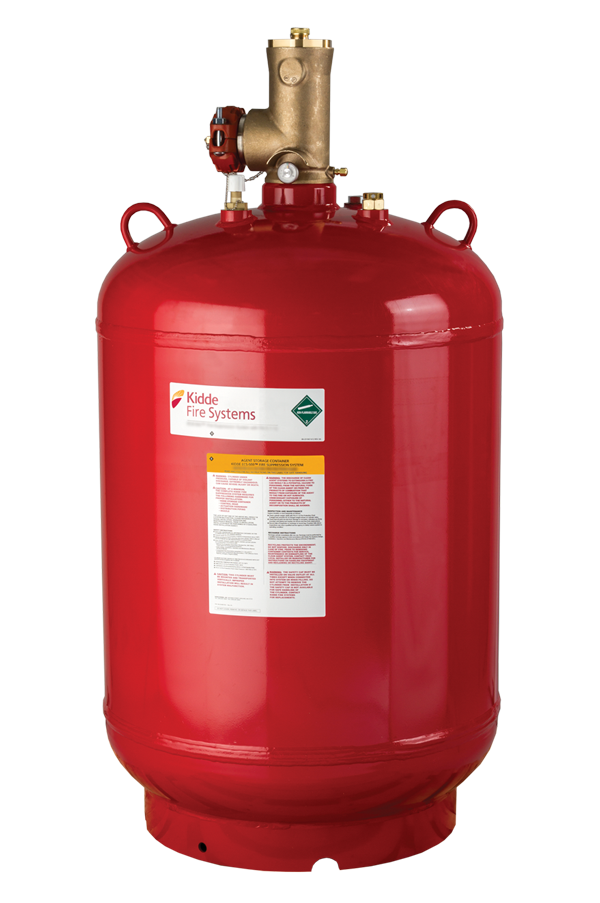
The ECS-500 type Clean Agent Suppression Systems provide superior performance compared to 360 psi/25 bar systems. The higher storage pressure of 500 psi (35 bar) enables improvement of agent travel distance for applications where ADS™ performance levels are not required. Now you have the flexibility of a mid-tier solution to meet application size, design requirements and the client’s budget.


Benefits:

  • New 1,100 lb. cylinder reduces cylinder quantities and installation time required while providing enough agent to cover up to a 27,000 cubic feet area with a single cylinder
  • Increased system pressure allows for longer pipe runs and use of smaller pipe diameters
  • Provides flexibility to remotely locate cylinder storage area more than twice the distance from the hazard area when compared to 360 psi/25 bar systems
  • Can be used with existing 4.0 HASP Key flow calculation software


*Watch Video of Clean Agent System Extinguish a Fire in Data Center*
Features

  • A wide range of filling capacities from 6 lbs. to 1,100 lbs
  • Fire protection of up to 27,000 cubic feet with a single cylinder
  • Provides economical protection of multiple enclosures when used with directional valves

Technical Specifications

  • Easy to design using our engineered series software including pressure vent calculation
  • High performance system

Listing & Approvals

  • cULus Listed
  • FM Approved
  • USCG Approved
  • Other marine- and land-based approvals in process
✔ Product Documentation Links: [Datasheet - Tech Specs]

If you have any questions or concerns. Please feel free to contact us any time through this web site or through this E-mail: Sales@TTLCompany.com | Web: http://TTLCompany.com

Tuesday, March 26, 2024

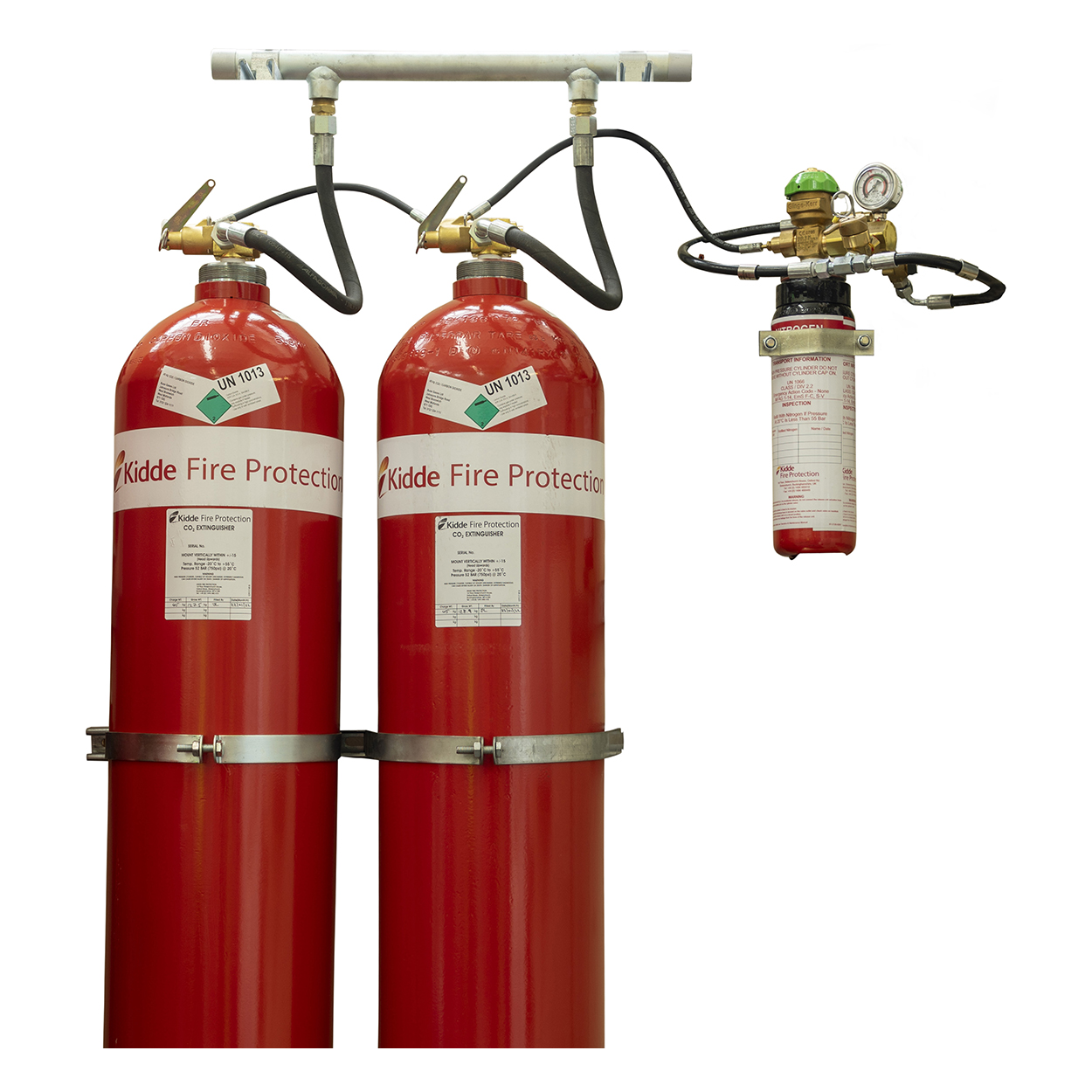
Kidde Fire Protection High Pressure CO2 (Klem-Valve) Fire System

Kidde Fire Protection High Pressure CO2 (Klem-Valve) Fire System
Carbon Dioxide


Kidde Fire Protection High Pressure Carbon Dioxide (HP CO2) System is ideal for industrial processes where flammable materials and vapours present a potential fire hazard.

Kidde Fire Protection  HP CO2 System utilizes highly sophisticated electric and/or pneumatic detection units which sense fire at its inception. It is designed specifically for each hazard and operated automatically, to ensure immediate detection and rapid suppression.

Kidde Fire Protection  HP CO2 Fire Suppression System is an engineered system available in three application configurations: total flooding (for unoccupied areas), local application or hand-hose line. Gaseous carbon dioxide rapidly suppresses fire by a combination of cooling and oxygen displacement. Discharge duration and agent flow rates are customized for the individual application.

Features
+Proven quality and reliability with the Kidde brand.
+Tested and approved all of Kidde's various detection and control options.
+An inexpensive and easy-to-access agent when refill is necessary.
+Wide ranges of proven safe, hazard protection.

Product Specifications
+Reduces the oxygen content of the atmosphere to a point where combustion becomes impossible
+Hardware to accommodate any application and system type
+Offered in 45Kg and 23Kg. cylinders
+Hose reel line systems
+Directional valve system options
+Lockout valves and lockout circuits

Sell Sheets > Download 
Download >>> [Technical Data Sheet]

If you have any questions or concerns. Please feel free to contact us any time through this web site or through this E-mail: Sales@TTLCompany.com | Web: http://TTLCompany.com

Water Leak Detection in Action

Seconds matter when water leaks are detected

Sometimes, seconds can mean the difference between running a red light and stopping with room to spare.  (And, hey, traffic violations can be pricey).
And sometimes the stakes are much higher.
Take, for instance, a water leak. Catching it early is the difference between the cost of a roll of paper towels and a massive water cleanup effort: new carpet, drywall, mold mitigation.

We'd prefer you catch those leaks early. So we've developed highly responsive, dependable leak detection cables and controllers. They detect your leaks in seconds, not hours or even minutes.  And the cable resets just as quickly.  Gently wipe it dry with a soft cloth or paper towels, and the sensing cable's ready to detect the next leak. 

Skeptical? We understand. That's why we've captured our systems in action. Take a look at our video and see for yourself.


Now that you've see the systems in action, take a look at the equipment that makes it all possible:

If you have any questions or concerns. Please feel free to contact us any time through this web site or through this E-mail: Sales@TTLCompany.com | Web: http://TTLCompany.com

Kidde - IntelliSite

 The Internet of Things is expanding quickly, and the demand for smart devices is growing with it.

Benefits to your Team: 
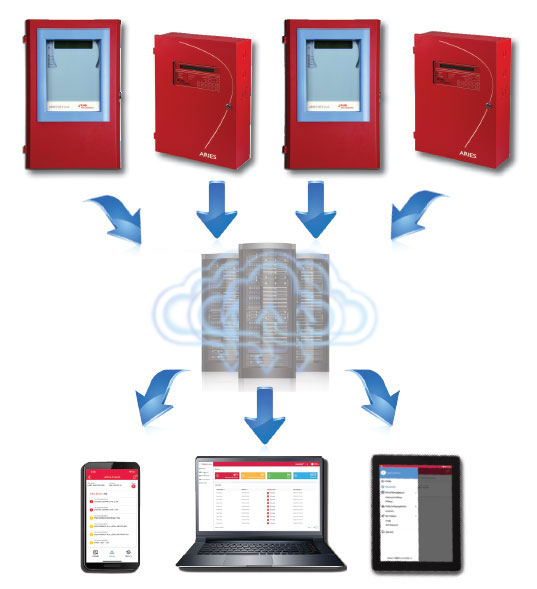
Enhance your value to sites with a new approach to control unit monitoring. Save time with more efficient device testing methods.

  • Inspection features make onsite inspections customizable
  • Easily accessible configuration files (Edit-Save-View)
  • Configuration files repository 
  • Increased awareness of system status
  • Reduced travel time to remote locations
  • Firmware upgrades status
  • Customizable service and inspection reports are available online
  • Inspect agent level/weight in cylinders via Electronic Liquid Level Indicator


Benefits to your Business: 

  • Identify malfunctioning devices in real-time
  • Discover intermittent troubles on devices then fix that
  • Diagnose alarm systems in remote locations 
  • Save time and money by knowing the panel status before the service event occurred
  • Event Log of all tested devices
  • Digital record of all the events that get reported via the cellular gateway


Take action to become an Important Partner of Your Customer Assets/Systems.


Future Products: 

  • Kidde REL-iON™ Sensor Platform in 2024
  • Electronic Liquid Level Indicator (eLLI) in 2024
  • Modulaser System Solutions in 2024
  • New Panel 2024


Please Review The IntelliSite™ Simulator


The following products can be purchased and installed through our distributor network: 

The IntelliSite Gateway Kit  P/N is 77-100000-002


Sell Sheets: IntelliSite™ Fact Sheet

Application Guides: Kidde K-76-5000 IntelliSite™ Cyber Security Considerations


For more information on IntelliSite™, If you have any questions or concerns. Please feel free to contact us any time through this web site or through this E-mail: Sales@TTLCompany.com | Web: http://TTLCompany.com or Call +1 (561) 3311868 
WiNG-LD Wireless Leak Detection From The Leak Detection Experts

WiNG-LD Wireless Leak Detection From The Leak Detection Experts
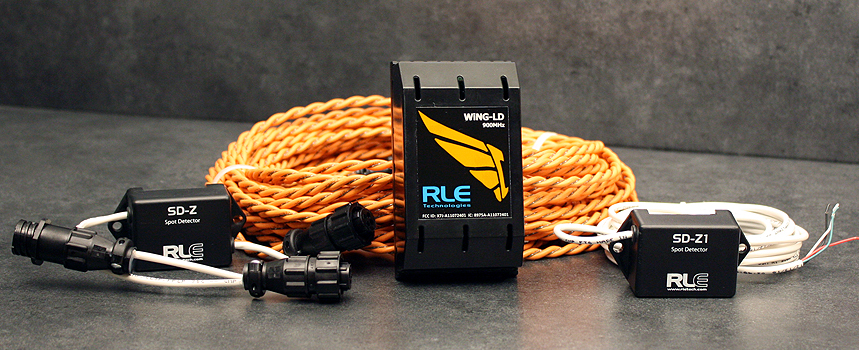
WiNG leak detection sensors are a valuable addition to this product line, and leverage our patented leak detection technology to protect your facility from intrusive water and chemical leaks. The WiNG-LD wireless sensor can be coupled with an SD-Z or SD-Z1 spot detector or any of our leak detection sensing cables to detect and report leaks in any facility.


Different kits are available fit your unique monitoring needs:
Use the WiNG-LD-LC to monitor for leaks with our patented leak detection sensing cable
Use the WiNG-LD-M to monitor for leaks with our chemical sensing cable
Use the WiNG-LD-SPOT to monitor for leaks with a SD‑Z1 spot detector
Small Footprint, Big Battery Life
WiNG sensors are compact and unobtrusive, yet provide an industry leading battery life – sensor batteries will last up to 12 years at room temperatures. WiNG sensors maintain this extended battery life while communicating readings to the WiNG-MGR web interface every 10-20 seconds; we knew it was important to our customers that we didn’t sacrifice data responsiveness in order to extend our battery life.

Unprecedented Transmission Range
The WiNG system has an unprecedented transmission range between sensors and manager: up to 100 feet through multiple walls, up to 270 feet through one wall, and up to 600 feet indoor, direct line of sight. While this range is more than ample for most situations, sometimes applications require signals to be pushed through more complex physical or noisy RF environments. The WiNG-RXT range extender can be implemented in these situations to add up to 1,000 feet direct line of sight transmission distance to the application.

Available Configurations
WiNG-LD-LC : WiNG Leak detector for use with sensing cable; 900MHz wireless transmitter; includes LC-Kit; requires SC, SC-R, SC-ZH or SD-Z
WiNG-LD-LC-868 : WiNG Leak detector for use with sensing cable; 868MHz wireless transmitter; includes LC-Kit; requires SC, SC-R, SC-ZH or SD-Z
WiNG-LD-M : WiNG Leak detector for use with chemical sensing cable; 900MHz wireless transmitter; includes LC-Kit-M; requires SC-C
WiNG-LD-M-868 : WiNG Leak detector for use with chemical sensing cable; 868MHz wireless transmitter; includes LC-Kit-M; requires SC-C
WiNG-LD-SPOT : WiNG Leak detector for use with spot detector; 900MHz wireless transmitter; includes SD-Z1
WiNG-LD-SPOT-868 : WiNG Leak detector for use with spot detector; 868MHz wireless transmitter; includes SD-Z1
Key Features
Proprietary wireless design
Monitor for leaks with one of the following configurations:
One SD-Z1 spot detector
One SD-Z spot detector and up to an additional 50 feet (15m) of leak detection sensing cable
Up to 100 feet (30.5m) of leak detection sensing cable
Available in 868MHz and 900MHz configurations
A transmission range between manager and sensors that is second to none:
Up to 100 feet (30.5m) through multiple walls
Up to 270 feet (82.3m) through one wall
Up to 600 feet (183m) direct line of sight
Add up to 1,000 feet (305m) direct line of sight with a WiNG-RXT range extender
Unparalleled sensor battery life:
Up to 5 years across full operating range: -13°F to 185°F (-25°C to 85°C)
Up 8 years at temperatures up to 122°F (50°C)
Up to 12 year battery life at room temperature
Support 250 sensors on a single manager, up to 400 sensors with range extenders
Polling rate of 10-20 seconds
WiNG-LD Specifications
Power: 3.6V AA lithium battery

Battery Life
Up to 5 years when system spans full operating temperature range.
Up to 8 years at room temperatures up to 122°F (50°C)
Up to 12 years at room temperature
Shelf Life: 10 years in quiescent mode with battery installed

Transmission
Interval: 10-20 seconds (random)
Frequency: Available in 868MHz and 900MHz configurations
Range: Up to 600ft line of sight
Leak Detection Input: Accepts up to 100ft (30.5m) of sensing cable, 50ft (15m) of sensing cable and one SD-Z spot detector, or 1 SD-Z1 spot detector.

Compatibility: Compatible with all RLE sensing cables and the SD-Z and SD-Z1 spot detectors.
Sensor Response Time: < 20 seconds
Cable Break Detection: Yes
Cable Sensitivity: Configurable
Operating Environment

Temperature: -13ºF to 185ºF (-25ºC – 85ºC)
Humidity: 0% to 90% RH (Non-condensing)
Altitude: -200 ft to 15,000 ft (-70m to 4572m)
Mounting: Free standing, zip ties, screw and keyhole – spaced 2.5” (6.4cm), junction box – 2 screws spaced 3.28” (8.3cm)

Dimensions and Weight: 4.4”L x 2.5”W x 1.5”H (11.2cmL x 6.4cmW x 3.8cmH), 0.2lb (0.10kg)

Certifications and Standards: CE UL61010, CSA 22.2 #61010, IEC 61326-1, FCC 47CFR 15B, IC ICES-003, EN 61000-3-2, EN61000-3-3, ETSI EN 301 489-1, ETSI EN 301 489-3; FCC ID: X7J-A11072401: IC: 8975A-A11072401. 

If you have any questions or concerns. Please feel free to contact us any time through this web site or through this E-mail: Sales@TTLCompany.com | Web: http://TTLCompany.com